A new approach to electrifying
chemical conversion.
Heterogeneous catalysis combined with electromagnetic induction. A new activation pathway for industrial chemical conversion.
changing how chemical conversion is activated.
At bobine, we believe industrial transformation should build on existing chemistry, not replace it. Our approach focuses on changing how chemical conversion is activated.
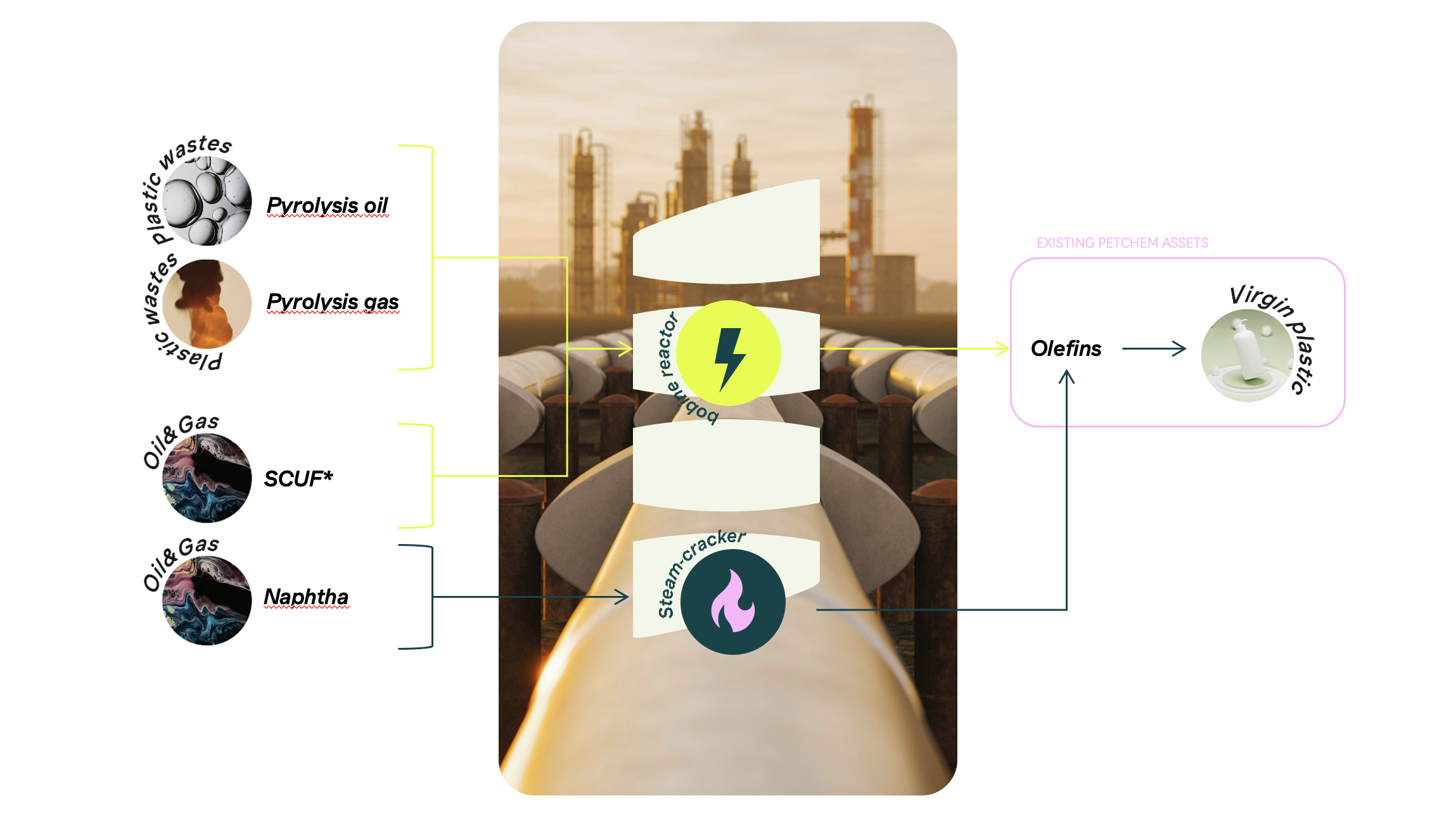
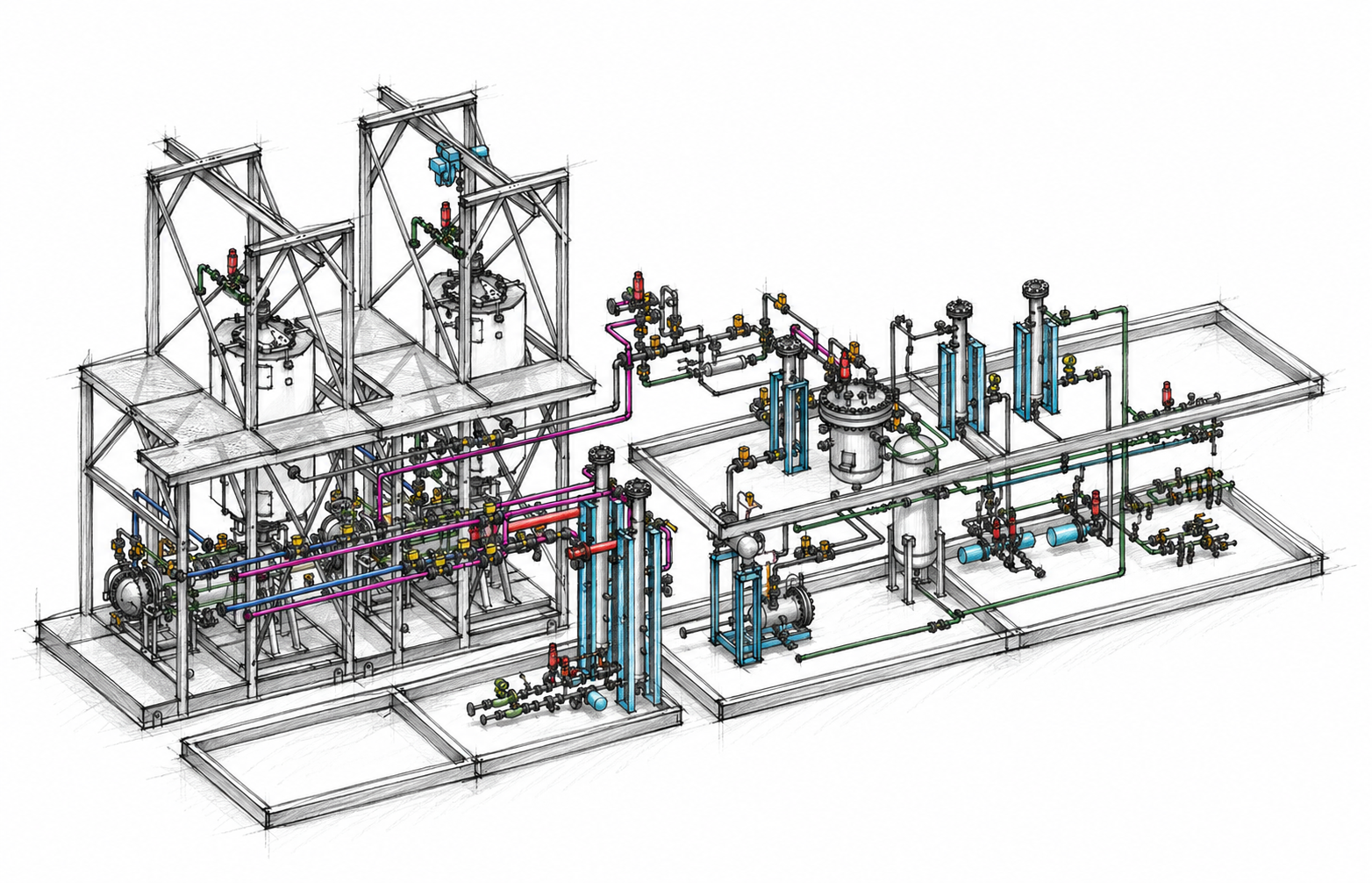
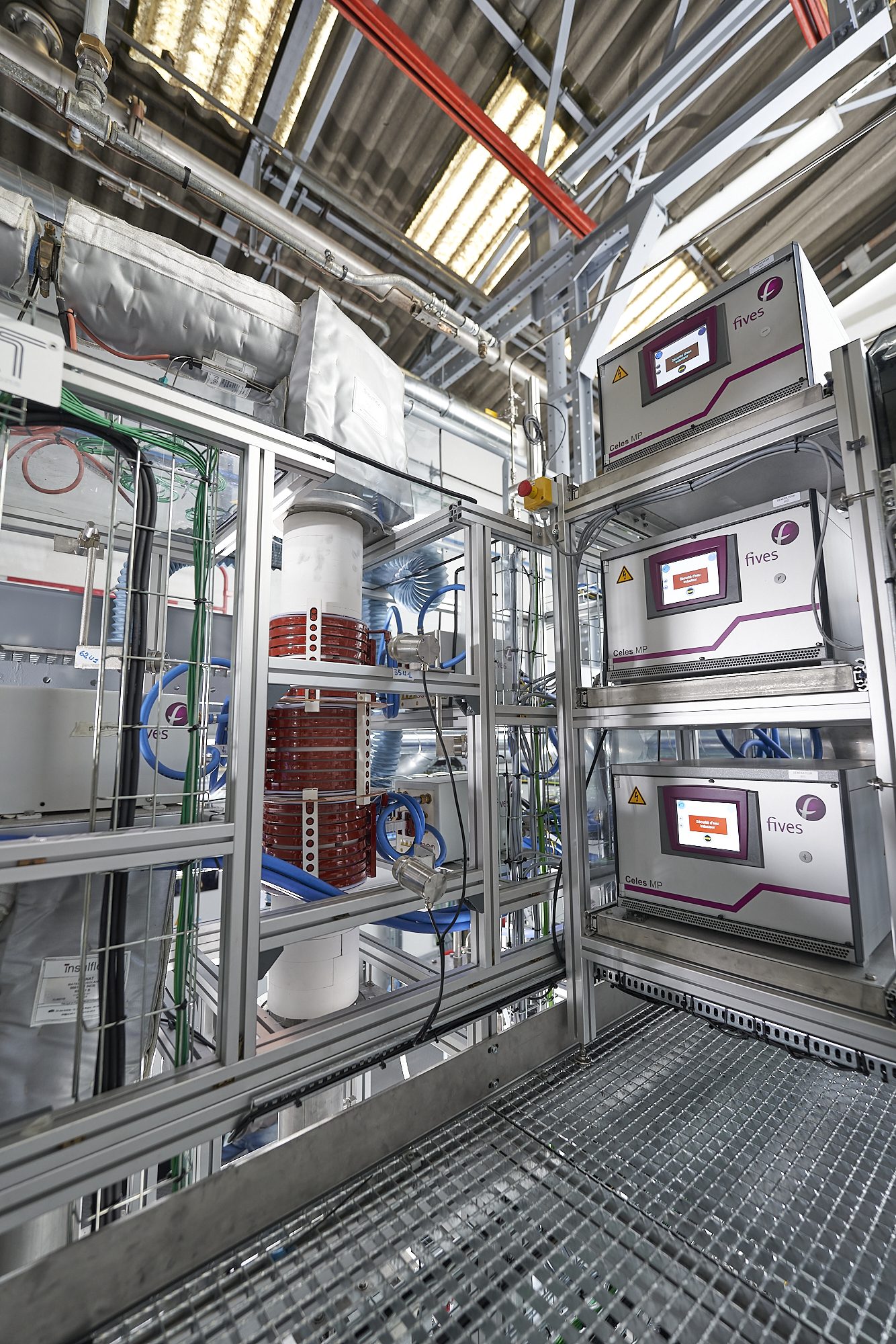
By replacing fossil-fuel combustion with electromagnetic induction, bobine enables direct, responsive and controllable heating of the catalytic bed – unlocking a fundamentally different energy pathway for chemical conversion.
An electrified process
Direct and responsive induction heating, with significantly lower operating temperature.
Targeted heating
Intrinsic design to limit heat loss and enable rapid process response.
A new electric route
to olefins, designed for existing
petrochemical infrastructure.
*Steam Cracker Unsuitable Feedstocks
Technology designed to meet
industrial requirements.
Feedstock flexibility
Processes pyrolysis oil, pyrolysis gas and opportunity feedstocks — enabling circular feedstock routes without dedicated upstream infrastructure.
Integration
Designed as a conversion technology brick that connects directly to existing petrochemical downstream assets. No need to reinvent the entire value chain.
Robustness
Industrial-grade design. Engineered for continuous operation. Built to meet real plant requirements, not only laboratory conditions.
High-quality chemistry
Produces high-value chemicals with purity standards relevant for food-grade and contact-sensitive applications, including full traceability.
Technology differentiation translated
into measurable performance.
Conversion rate
Energy demand
Production cost
CO₂ emissions
Study conducted by an independent firm. Comparison with conventional Plastic to Olefins (PtO) value chain. Based on post consumer waste, available on market.
One core technology.
Increasing circularity.
The same bobine reactor processes an expanding range of feedstocks – from Steam Cracker Unsuitable Feedstocks (SCUF) today, to pyrolysis oil and unsorted waste streams tomorrow. Each step increases the circularity of the value chain without requiring a new core technology.
Steam Cracker Unsuitable Feedstocks (SCUF)
Objectives: low-carbon olefins production
Pyrolysis oil (PyOil)
Objectives: low-carbon circular olefins production _ Stage 1
Pyrolysis gas
Objectives: low-carbon circular olefins production _ Stage 2
High-quality chemistry enabling food-grade and contact-sensitive applications with full traceability.
From lab validation
to industrial deployment.
Proof of concept
- Laboratory validation of the core technology
- Catalytic performance established


100 kg/day
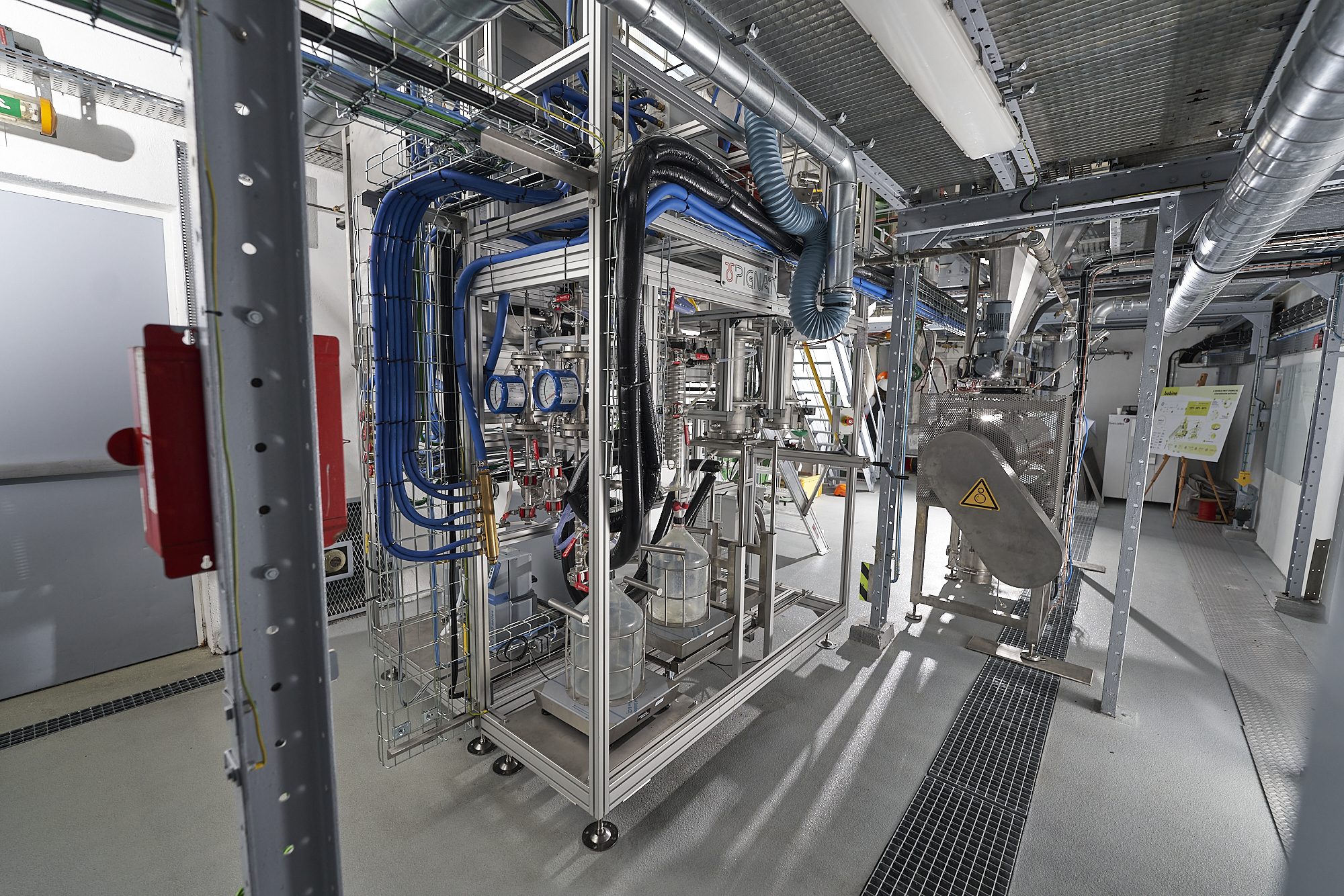
- Fully operational pilot installation
- Real continuous-run data
- Technology demonstrated at meaningful scale


1 T/day
- 1,000+ hours continuous operation
- Target Q2 2027
- Industrially relevant run conditions


Target
2032
10 kT/year
- 24/7/365 operation
- Full industrial deployment
- Target 2032
- First-of-a-kind commercial unit
Start simple.
Add complexity around the same core reactor.
A strong patent portfolio
Our technology is supported by six pending patent applications, covering both equipment and process innovations.
Two applications relating to the PTO process are exclusively licensed, while four cover equipment and process developments. The foundational patent application was filed in July 2022, with an exclusive licence granted by SATT Conectus Alsace.
Interested in assessing bobine
for your industrial application?
Our team works directly with industrial partners on technology assessment, feedstock compatibility and integration pathways.